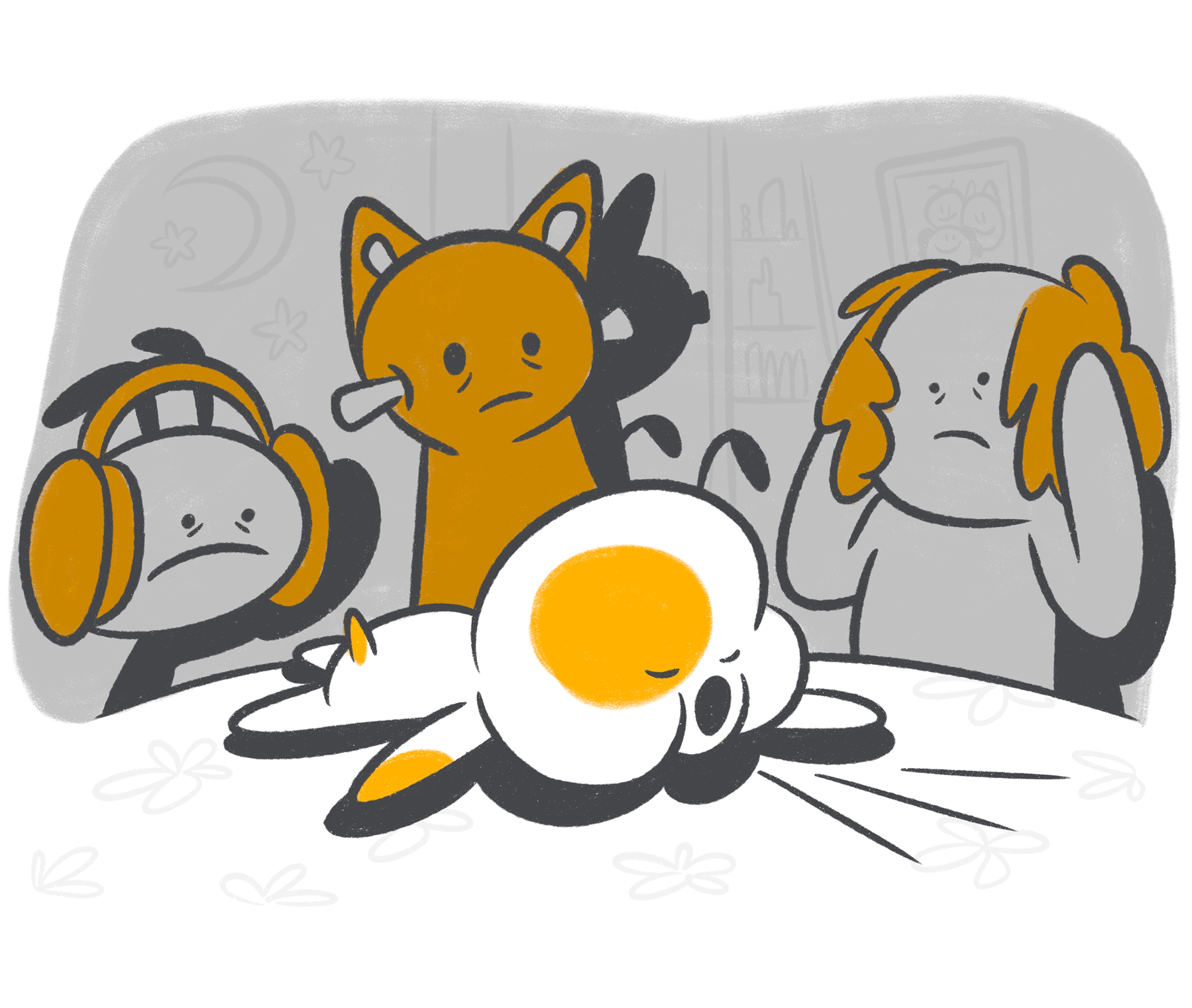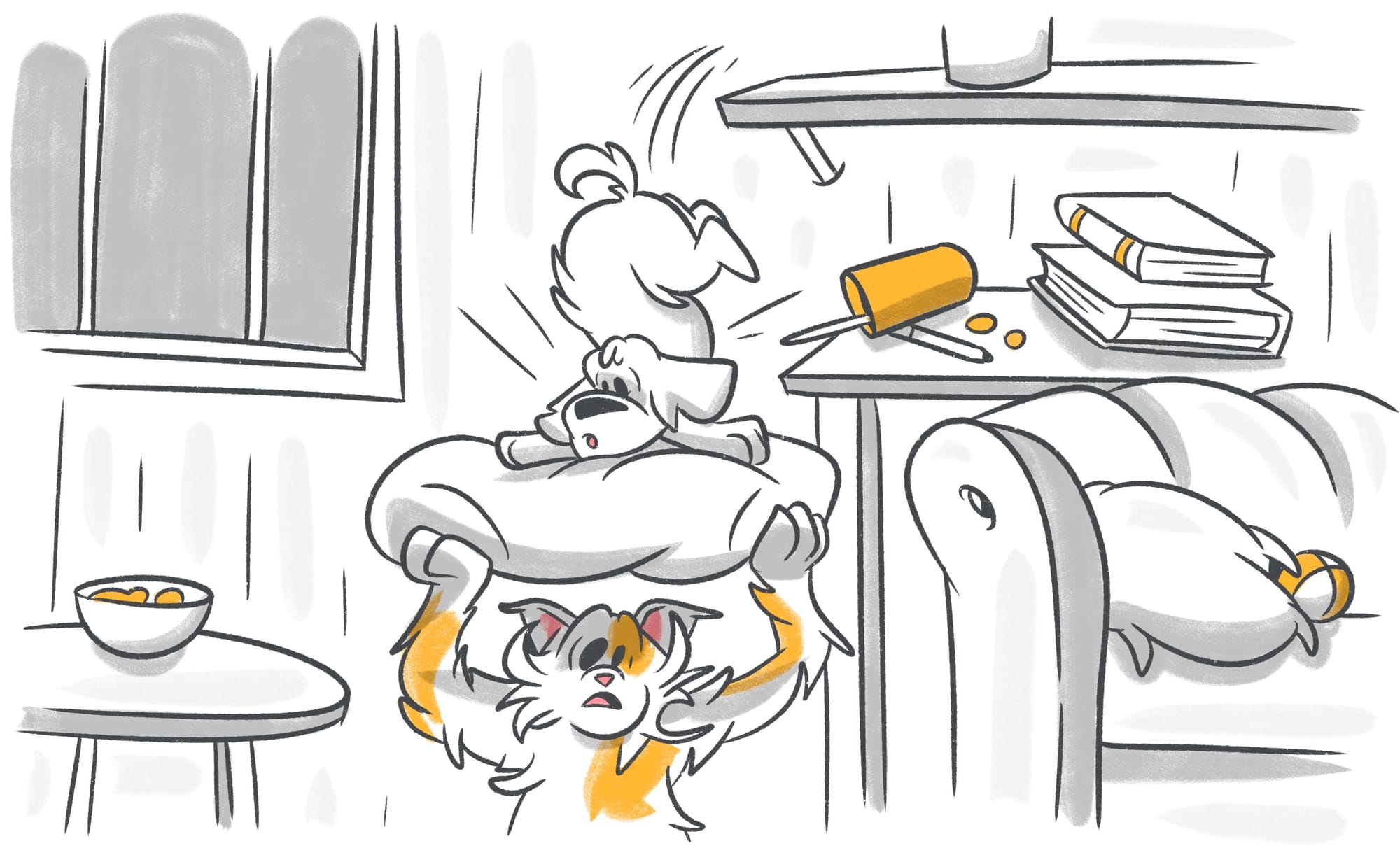

Summer is a great time to bring home a puppy. After all, (usually) everyone is around, routines are relaxed, and your puppy rapidly becomes accustomed to having their humans nearby.
However, once school starts and people return to work, problems can start. Suddenly, the puppy who rarely spent five minutes alone is expected to cope for hours.
As a canine behaviorist, this is one reason I prefer teaching independence before puppies actually need it and parents discover the issues that come with puppy separation anxiety.
Content:
- What Is Puppy Separation Anxiety?
- Separation Anxiety or Just a Puppy Adjusting?
- Building Independence Before You're Gone All Day
- When to Get Help
- Conclusion
What Is Puppy Separation Anxiety?
Separation anxiety in dogs involves any genuine distress associated with separation or being left alone.
Signs can include persistent barking or howling, panting, pacing, drooling, toileting, destructive behavior (particularly around doors or windows) and frantic attempts to escape and find you.
Timing also matters. If these behaviors appear primarily when you prepare to leave or after you're gone, separation-related anxiety becomes more likely.
Separation Anxiety or Just a Puppy Adjusting?
Puppies are professional agents of chaos, so context matters.
Chewing your shoe doesn't automatically mean anxiety. Neither does crying during the first few nights, disliking a new crate, having toilet-training accidents, or protesting because playtime ended.
I look at the puppy's overall emotional state. A frustrated puppy may complain and eventually settle. A genuinely distressed puppy may escalate instead.
Crates also aren't treatments for separation anxiety. Crate training can be extremely useful when introduced gradually, but confining a panicking puppy can make matters worse.
Building Independence Before You're Gone All Day
To prevent separation anxiety, start ridiculously small.
Let your puppy become comfortable resting somewhere other than against you. You can use beds, mats, puppy pens, or appropriately introduced crates and reward relaxed independent behavior.
Then practice tiny separations: walk into another room, close a door briefly, or step outside and return.
The important thing is to build the duration gradually rather than waiting until Monday morning and disappearing for eight hours.
I strongly agree with one comment I found on Reddit: “Not leaving puppy alone for longer than they can handle is actually the current best practice for working through separation anxiety.”
You can also practice departure cues without departing. Pick up your keys and sit down. Put your shoes on and make coffee. This helps stop every jingle of the car keys becoming an announcement of impending doom. In other words, it helps to stop them associating anything specific with you leaving.
The Petcube App can also help you check what happens after you leave rather than relying on the archaeological evidence of a destroyed cushion when you return.
When to Get Help
If your puppy panics, injures themselves trying to escape, cannot settle, stops eating when alone, or isn't progressing with gradual training, involve your veterinarian and a qualified behavior professional.
Veterinary behaviorist Dr. Bonnie Beaver has noted that behavior changes including “separation anxiety can sometimes occur alongside medical problems such as hypothyroidism.” That's an important reminder that significant behavioral changes deserve veterinary investigation rather than an automatic assumption that they're purely a training issue.
For severe anxiety, veterinarians may also prescribe medications such as SSRIs, although this is more of a last resort for older dogs, and I would be careful about medications for growing pups.
Above all else, don't punish panic. Your puppy isn't dismantling the door because they're naughty. Punishment doesn't address the underlying fear and may add another source of anxiety.
Conclusion
The best time to teach a puppy that being alone is safe is before life suddenly requires it. Build independence in tiny, manageable increments, watch the puppy in front of you rather than the clock, and get professional help if ordinary adjustment starts looking like genuine distress.
Was this article helpful?
Help us make our articles even better